
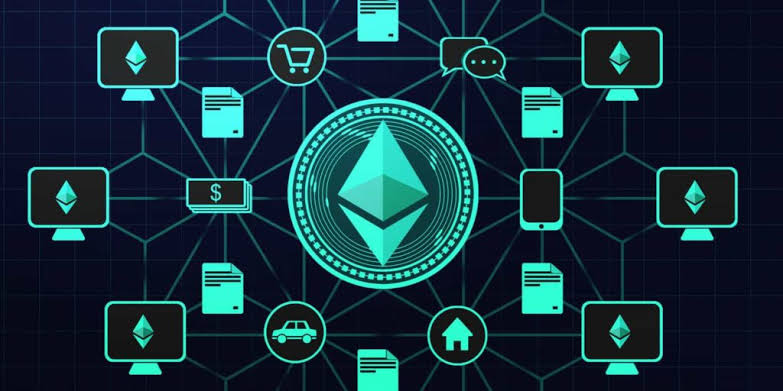
Decentralized apps, or DApps, are becoming popular as the future of applications and the Internet. DApps are essentially applications for Web3. The blockchain and Web3 functionality complete the DApps. They have an open-source code and host their distribution on peer-to-peer (P2P) networks. The DApps may also feature a UI created using front-end code. The DApp concept is proceeding from its nascent stage and decentralizes applications. DApps can be used in apps from social networks to games and even browsers.
What are DApps?
DApps are blockchain-based applications that enable users to interact with smart contracts deployed on the blockchain. They interact with these blockchains over an API. For Ethereum, this API is a JSON-RPC layer. It is known as the Ethereum Web3 API that supports Moesif natively. Ethereum is a decentralized, open-source blockchain that possesses smart contract functionality. For Ethereum DApps development, you can outsource solutions to companies with access to tools, processes, and people to deliver the work.
There are various benefits of DApps development.
- Privacy: Since DApps depend on blockchain technology, it eliminates the requirement for users to create different accounts. Thus, one does not have to provide a real-world identity to operate a dApp. It uses blockchain-validated cryptography to identify users.
- Zero Downtime: After the successful deployment of the smart contract on the blockchain, it guarantees the consistent availability of the network to serve the clients who want to interact with the contract. The bad actors can’t launch DDoSattacks on the network to target individual dApps. Thus, it eliminates the risk of downtime and ensures business continuity.
- Transparency: A public ledger stores the dApp data, thus recording everything securely and transparently. No entity can manipulate the data on the blockchain. It is highly transparent and open and enables businesses to connect with customers without requiring any middlemen directly.
- Resistance to censorship:Any entity on the network cannot block users from deploying DApps, submitting transactions, or reading data available on the blockchain.
- Fault-tolerance: The decentralization of DApps does not allow a single node to control all the records and transactions. Thus, an occurrence of a single failure will not cause the app to falter or malfunction. Therefore, DApps are more stable and secure than traditional apps and provide users with constant access.
Why outsource DApp development?
The outsourced DApp development team provides your business with the requisite support and capabilities to manage the end-to-end development pipeline. They handle the entire lifecycle and workflow, from inception to completion of successful prototypes. Outsourcing allows you to access high-quality services and a team to take care of your project. The team has extensive experience in DApp development and the necessary talent to execute the tasks. They keep themselves aligned with the current and future practices to help release a highly relevant and optimized DApp. Moreover, outsourcing allows you to save on costs and get a better return on investments. It also gives you the confidence and peace of mind to successfully deliver the project.
To Conclude:
DApps are increasingly shaping the future of SaaS and software development. The DApps help unlock a wide range of benefits, which traditional apps cannot unlock. Thus, DApps are becoming key to building a decentralized future.
